~This content was originally published January 27 on my LinkedIn Newsletter, Connecting the Dots. Subscribe here.
I reconnected recently with a long-time friend, whom I’ve known for more years than I’ve known my own children. And while neither of us feels old, a couple decades of connection feels good.
We’re not BFFs, nor are we close confidantes, but we’ve stayed in touch and supported each other professionally over the years. She’s a knew-you-when friend because we’ve known each other that long and also because she was there at a key growth point in my career. You probably have knew-you-when friends as well. People you went through something with or who were present as you navigated a challenge in work or life.
Lasting friendships and continuity in our relationships validates that we can count on other people and that they’ll be there for us over time. This is great for our wellbeing. But relationships also contribute to our identity. We get ‘narrative identity’ from knew-you-when friends because of having shared part of our journey together. They are part of our story. In addition, we know and understand ourselves through others, based on our role with them, how they view us, and how our relationship makes us feel about ourselves.
Persistence in relationships also supports our identity because we’re reminded of how far we’ve come and how much we’ve grown. But we’re also reminded of who we are. We still feel like ourselves, even though we’ve aged and changed. This feeling of timelessness is known as self-continuity.
Research shows that relationships with friends and colleagues is good for us on multiple levels. For example, when we have strong relationships with others, we experience less cognitive decline*. But it’s not just strong relationships today, there’s also evidence that having lasting relationships matters a lot.
- Having stable friendships over time, affects health 23 years after the friendship was formed**
- Keeping the same friends from early adulthood to later adulthood drives self-esteem and reduces loneliness***
- Lasting ties within and across a community affect mortality. In a 9-year longitudinal study, those who were most isolated were 2.3 times (men) and 2.8 times (women) more likely to have passed away during the research period. The mortality rates were independent of socioeconomic status, smoking, alcohol consumption, obesity, or activity levels****.
So how do we create relationships and friendships that are long-lasting and stable over time? Research***** found that similarity contributes to longer-term relationships. Lasting relationships are also driven by investing resources as well as interdependence, in which we’re helping each other and relying on each other.
We can sustain lasting relationships by being intentional about staying in touch, reaching out to invite friends for coffee or a call to catch up. We can also help or support friends or make connections for them within our networks. We can also appreciate their different points of view at the same time we’re reinforcing our common ground or mutual values.
Most of all we can invest time and presence, staying in touch and checking in to let them know we’re thinking about them, even if we don’t see them frequently.
What have long-lasting relationships meant to you? In what ways do you keep in touch throughout changes in your career or your life?
Thanks for reading. I’m glad you’re here!
*Connections contribute to reduced cognitive decline: Lancet Healthy Longevity. **Having stable friendship affects health at +23 years: Developmental Psychology. ***Stable friendship from early to later adulthood affects self-esteem and loneliness: Emerging Adulthood. ****Lasting ties in community affect mortality: American Journal of Epidemiology. *****What it takes to have lasting relationships: Personal Relationships.
~~
If you’d like to read more, take a look at my books here and my articles here. You can preorder my new book, Critical Connections, here. For teams or book groups using or anticipating Critical Connections, learning resources are available here.
In addition to subscribing to this LinkedIn newsletter, you can also find me via my LinkedIn profile, X, Instagram, TikTok, Goodreads, Unsplash, Forbes, and Amazon.
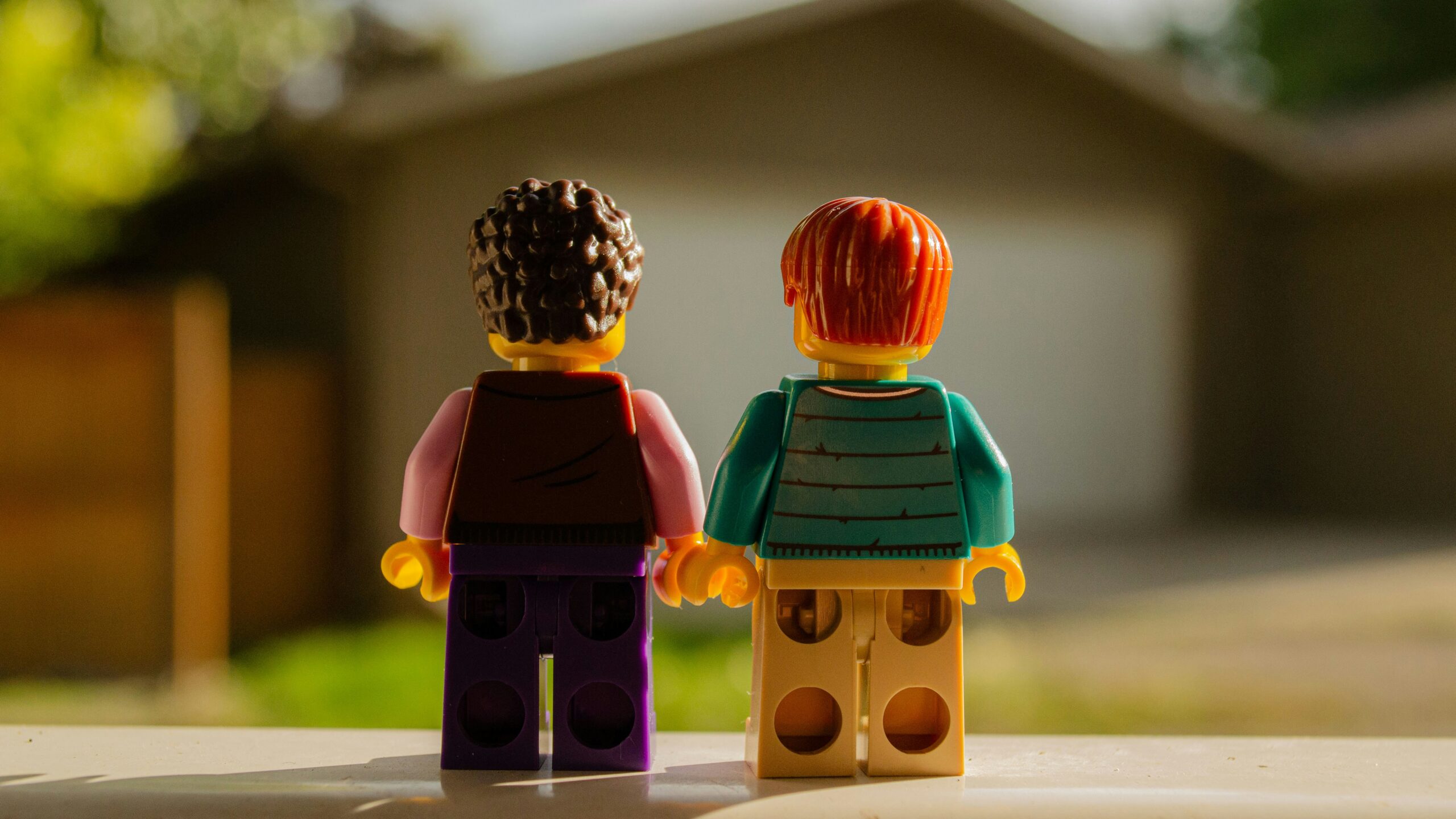
Photo Credit: Dmytro Yarish on Unsplash.