~This content was originally published February 10 in my LinkedIn Newsletter, Connecting the Dots. Subscribe here.
Recently, I saw an article making the case that we’re in a post-optimistic world. While there are some reasonable arguments for why we could be, I certainly hope we’re not. Optimism is lifeblood for our action and empowerment. It’s what moves us to work hard, invest in our communities, and put effort toward what can be better tomorrow.
Fortunately, there is also evidence to the contrary for a post-optimistic future. During the last weekend of January, I had the opportunity to deliver the keynote presentation at the annual IIDA South Florida Chapter’s New Year, New You Conference.
But that isn’t news.
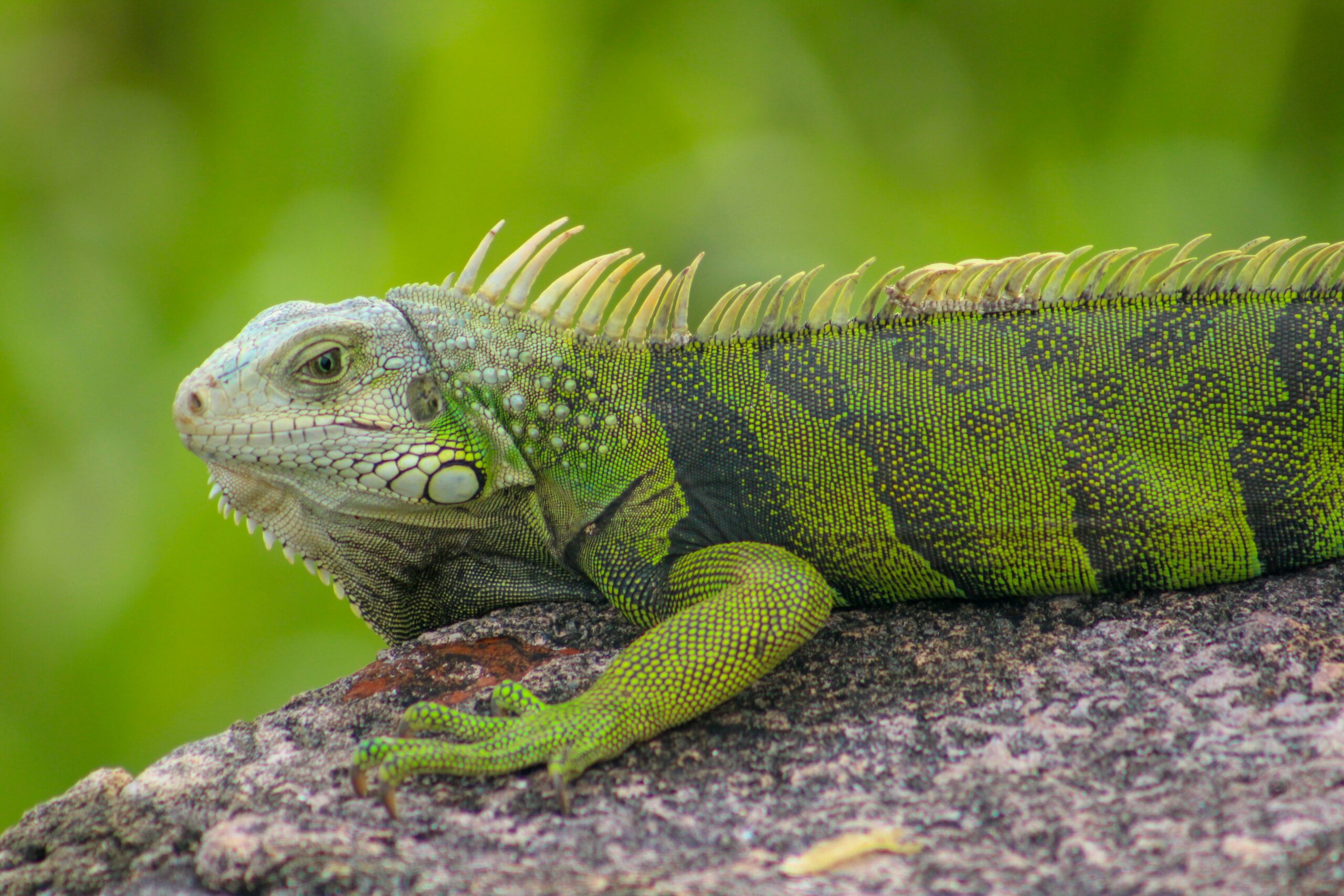
What is news is the amazing number of people who showed up on a Saturday afternoon dressed to the nines (read: they put in the effort!). And not only did they show up, they came with enthusiasm to an outdoor event on a rainy day during record cold temperatures in Florida. It was so cold that iguanas were falling from the trees**.
During the event, the participants focused on their purpose and their inspiration for the coming year. They were investing in themselves, in each other, and in their shared future. It was very cool to be a part of it and to feel their collective energy.
It certainly demonstrates optimism.
The Compelling Benefits of Optimism
And optimism is very good for us. A decades-long study*** of over 71,000 people by Boston University found that when people were more optimistic, they lived 11% to 15% longer and had a 50% greater chance of living to be 85.
But why would optimism matter so much? Researchers believe it could be based on a few different factors. People who are more optimistic may be able to regulate their emotions more effectively and manage their behavior so they can be more resilient in the face of stress. Or they may have healthier habits like exercising more or being less likely to smoke, because they see a longer path forward.
But optimism is also critically related to our sense of empowerment. If we see possibilities for tomorrow, we’re more likely to put in effort today. We seek to learn something new or improve ourselves. We follow through on the deliverable that our colleague is counting on. We volunteer at the soup kitchen in our community.
Optimism isn’t the same as toxic positivity which rejects or represses negative realities. Instead, true optimism recognizes challenges, problems, and issues and stares them down with a sense of unflinching confidence and capability to make things better.
Even if iguanas are falling on us from above, we can look ahead, reinvent, renew, and reinvest toward a hopeful future for ourselves and each other.
What are you optimistic about? What are you investing energy in for the new year?
Thanks for reading. I’m glad you’re here!
Details:
**When it gets too cold, iguanas’ metabolisms drop. They are stunned and lose grip strength causing them to fall out of their trees. Normally, the Florida Fish and Wildlife Conservation Commission restricts handling or transporting iguanas. But during the January 2026 cold snap, they lifted the restriction temporarily, allowing people to collect the iguanas without a permit, and turn them in at designated drop off points.
***Boston University study via PNAS (Proceedings of the National Academy of Sciences of the United States of America)
~~
If you’d like to read more, take a look at my books here and my articles here. You can preorder my new book, Critical Connections, here. For teams using Critical Connections, learning resources are available here.
In addition to subscribing to this LinkedIn newsletter, you can also find me via my LinkedIn profile, X, Instagram, TikTok, Goodreads, Unsplash, Forbes, and Amazon.
Photo Credit: Dillon Finlay on Unsplash.